Wisdom Teeth Growing Pain: Causes and Pain Relief in Adelaide

Wisdom teeth, also known as third molars, typically emerge between the ages of 17 and 25. While some individuals experience no issues during this process, many others endure discomfort and pain as these teeth push through the gums.
If you are experiencing wisdom tooth pain in Adelaide, a dental assessment can help identify whether discomfort is normal eruption pain, infection, or impaction.
This phenomenon, often termed “wisdom teeth growing pain,” can be a source of considerable discomfort and concern. Let’s delve deeper into this topic to understand why it happens and what can be done about it.
Anatomy of Wisdom Teeth
Before exploring the pain associated with wisdom teeth, it’s essential to understand their anatomy. Your four wisdom teeth are the last set of molars that emerge in the back corners of the mouth. In many cases, there isn’t enough space in the mouth to accommodate these additional teeth, leading to various issues during their eruption.
Why Do Wisdom Teeth Cause Pain?
There are many causes for wisdom tooth pain, including:
Limited Space
One of the primary reasons for wisdom teeth pain is the lack of space in the jaw. As these teeth attempt to erupt, they may become impacted or partially erupted, causing pressure on the surrounding teeth and gums, and causing teeth and jaw pain.
Impaction
When wisdom teeth don’t have enough room to emerge fully, they may become impacted, meaning they’re unable to break through the gums entirely. Partially impacted wisdom teeth can cause inflammation, infection, tooth decay, and intense pain.
Infection
As wisdom teeth attempt to emerge, they create an opening in the gums, making them susceptible to bacterial infection. This infection, known as pericoronitis, can cause bad breath, significant pain and swelling.
Contact a dentist promptly if you develop swelling, a bad taste, fever or difficulty opening your mouth, as these may be signs of a wisdom tooth infection. If swelling spreads to your face or neck, or you have difficulty swallowing or breathing, seek urgent medical care.
Misalignment
Sometimes, wisdom teeth grow in at an angle or horizontally, pressing against neighbouring teeth. This misalignment can lead to pain and even damage to adjacent teeth.
These causes of wisdom teeth pain are the most common reasons for wisdom teeth removal.
Signs and Symptoms of Wisdom Teeth Growing Pain
Recognising the signs of wisdom teeth pain is crucial for timely intervention. Common symptoms include:
- Pain or discomfort in the back of the mouth: This pain can vary from mild to severe and may worsen when chewing or biting down.
- Swelling and redness: Inflammation around the affected area may occur, accompanied by tenderness and swelling of the gums.
- Difficulty opening the mouth: Pain and swelling can restrict jaw movement, making it challenging to open the mouth fully.
- Headaches: Wisdom teeth pain can radiate to the surrounding areas, causing headaches and earaches.
Managing Wisdom Teeth Pain
Wisdom tooth pain relief management can be tricky, as the cause depends on your wisdom teeth situation. For example, discomfort from a tooth coming through can often be eased in the short term at home. Pain from an impacted or infected tooth needs a dental assessment, which may lead to treatment of the infection, monitoring or removal.
Pain Relief
Over-the-counter pain medications such as ibuprofen or paracetamol can help relieve dental pain caused by wisdom teeth. However, it’s essential to follow the recommended dosage instructions and check with a pharmacist or doctor first if you have a medical condition or take other medicines.
These options may ease symptoms temporarily, but they do not treat infection or impaction.
Topical Treatments
Applying numbing gels or rinsing with warm salt water can provide temporary relief from sore gums and inflammation.
Maintain Oral Hygiene
Keeping the area and other teeth around the erupting wisdom teeth clean is crucial for preventing infection. Gentle brushing and flossing can help remove food particles and bacteria.
Consult a Dentist
If the pain persists or worsens, it’s advisable to seek professional dental care. A dentist can assess the situation and recommend appropriate treatment options, which may include extraction in cases of severe impaction or infection.
Preventing Wisdom Teeth Pain
While it may not be possible to prevent wisdom teeth from causing discomfort entirely, certain measures can help minimise the risk:
- Regular Dental Check-ups: Routine dental visits allow dentists to monitor the development of wisdom teeth and intervene if necessary.
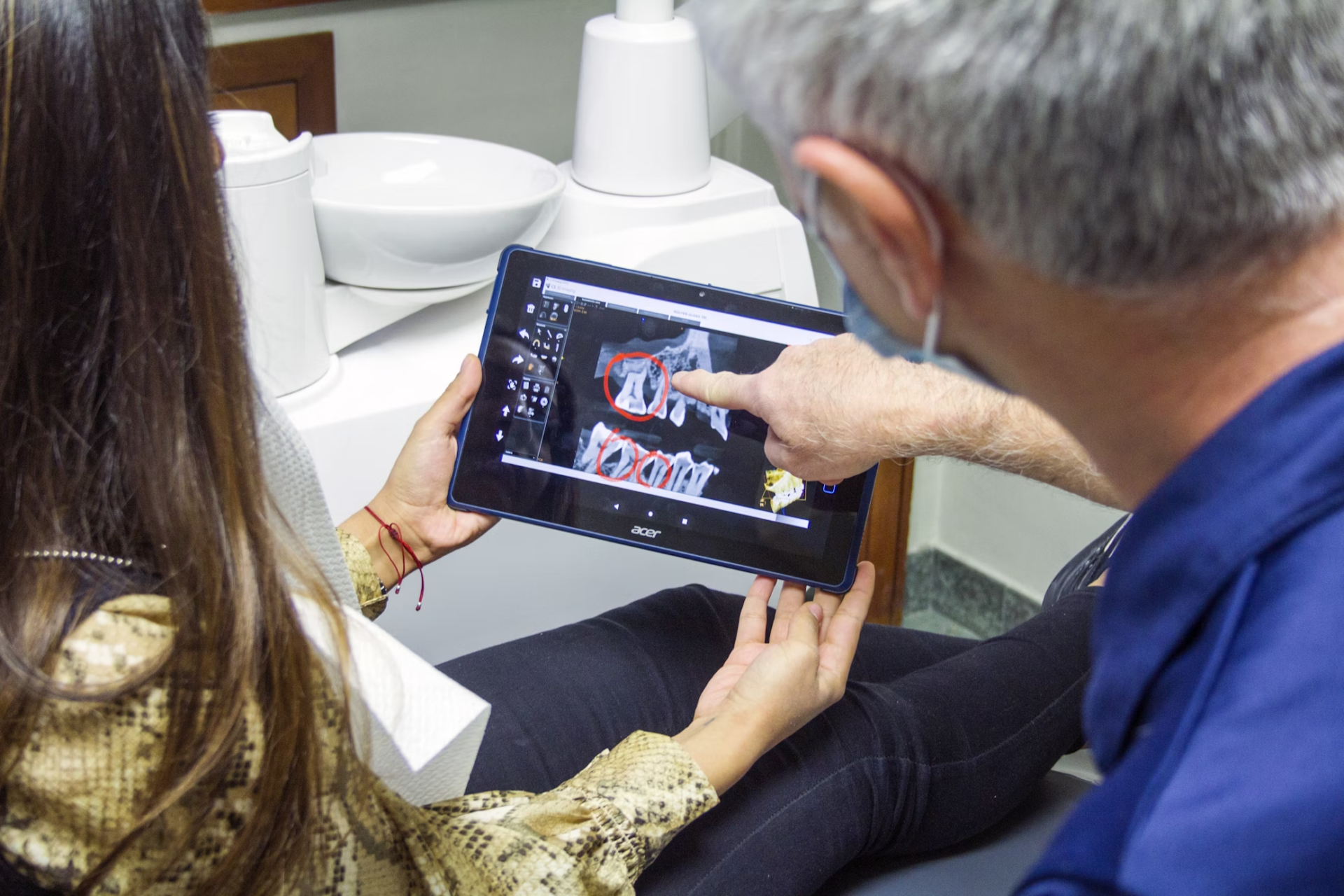
- Early Intervention: If x-rays suggest a wisdom tooth is likely to cause problems, your dentist can explain the options, which may include monitoring, treating the gum around the tooth, or planning removal.
- Maintaining Good Oral Hygiene: Proper oral hygiene practices, including brushing, flossing, and using mouthwash, can help prevent infections and gum disease.
Navigating Wisdom Teeth Growing Pain
Painful wisdom teeth are a common experience for many young adults. Understanding the reasons behind this discomfort and knowing how to manage it can alleviate anxiety and promote oral health.
Kensington Dental Care can provide personalised guidance and treatment options to ensure your comfort and well-being during this transitional phase of dental development.Our Kensington Park team can assess wisdom teeth growing pain and discuss suitable next steps. Book an appointment with us today to find out more.
General information only
This article provides general information and does not replace personal dental advice. Every wisdom tooth, jaw and medical history is different, so what suits one patient may not suit another. Please consult a qualified dentist about your own circumstances before making any treatment decision.
To arrange an assessment with our team, book an appointment or call us on (08) 8333 0885.