Bleeding Gums Treatment Adelaide: When Brushing Blood Needs a Dental Check
Seeing blood in the basin after brushing can be easy to explain away. Sometimes a hard brush, quick floss or sharp food can irritate the gums, but bleeding that keeps happening is worth checking. For many people in Adelaide, bleeding gums treatment begins with a dental assessment to find out whether plaque, gingivitis, calculus, or another factor is irritating the gumline.
At Kensington Dental Care in Kensington Park, we help patients understand what their gums are trying to tell them. A little pink in the toothpaste does not automatically mean something serious is happening, but early gum inflammation is often easier to manage than gum disease that has been left to progress.
This guide explains common causes of bleeding gums, when to see a dentist, what a gum assessment may involve, and how treatment can help protect your oral health.
Why Do Gums Bleed When You Brush?
The most common reason gums bleed during brushing or flossing is plaque along the gumline. Plaque is a sticky film of bacteria that forms on the teeth. If it is not removed thoroughly, it can irritate the gums and cause redness, swelling, tenderness, or bleeding.
This early stage of gum disease is called gingivitis. Gingivitis can often be improved with professional cleaning and better home care because it usually has not yet damaged the bone and supporting structures around the teeth.
Bleeding can also be influenced by other factors, including:
- Brushing too hard or using a hard-bristled toothbrush
- A new flossing routine, especially if the gums are already inflamed
- Calculus, also called tartar, which is hardened plaque that brushing cannot remove
- Smoking or vaping
- Hormonal changes, including during pregnancy
- Medical conditions such as diabetes or immune disorders
- Some medicines, including blood thinners
- Ill-fitting dental appliances or areas that are difficult to clean
If your gums bleed once after a rough brush, watch the area and be gentle. If bleeding keeps returning, happens around several teeth, or comes with swelling or bad breath, it is time to book a dental check.
Bleeding, Swollen Gums: What They Can Mean
Bleeding swollen gums often point to inflammation. The gum tissue may look redder than usual, feel tender when touched, or bleed when you brush along the gumline. Some people also notice an unpleasant taste or persistent bad breath.
Inflamed gums do not always hurt. This can make gum disease easy to miss until it becomes more advanced. A person may feel mostly well and still have plaque and calculus building up under the gum edge.
Gum inflammation is commonly described in two broad stages:
- Gingivitis: early gum disease where the gums may bleed, redden, or swell. With assessment, cleaning, and improved daily care, it is often reversible.
- Periodontitis: more advanced gum disease where inflammation affects the deeper tissues and bone that support the teeth. It can lead to gum recession, deeper gum pockets, loose teeth, and tooth loss if not managed.
Not every case of bleeding gums is periodontitis. The only way to know what is happening is to have your gums, teeth, plaque levels and gum pocket measurements assessed.
When Should Brushing Blood Be Checked?
Book an appointment if bleeding happens repeatedly, especially if it has continued for more than a week or two despite careful brushing. You should also seek advice sooner if the bleeding is heavy, if you have pain, swelling, pus, a bad taste, loose teeth, or discomfort when biting.
It is also sensible to arrange a check if you are pregnant, have diabetes, smoke, take medicines that affect bleeding, or have not had a clean for some time. These factors can change how your gums respond to plaque and how dental treatment is planned.
Many Adelaide patients ask whether they should stop brushing an area that bleeds. In most cases, brushing less allows more plaque to remain. A softer brush, gentler technique, and a dental clean may be more helpful.
If you are unsure whether the issue is your gums or a painful tooth, our information on toothache treatments may help you decide when dental pain needs prompt attention.
What Happens During a Gum Assessment?
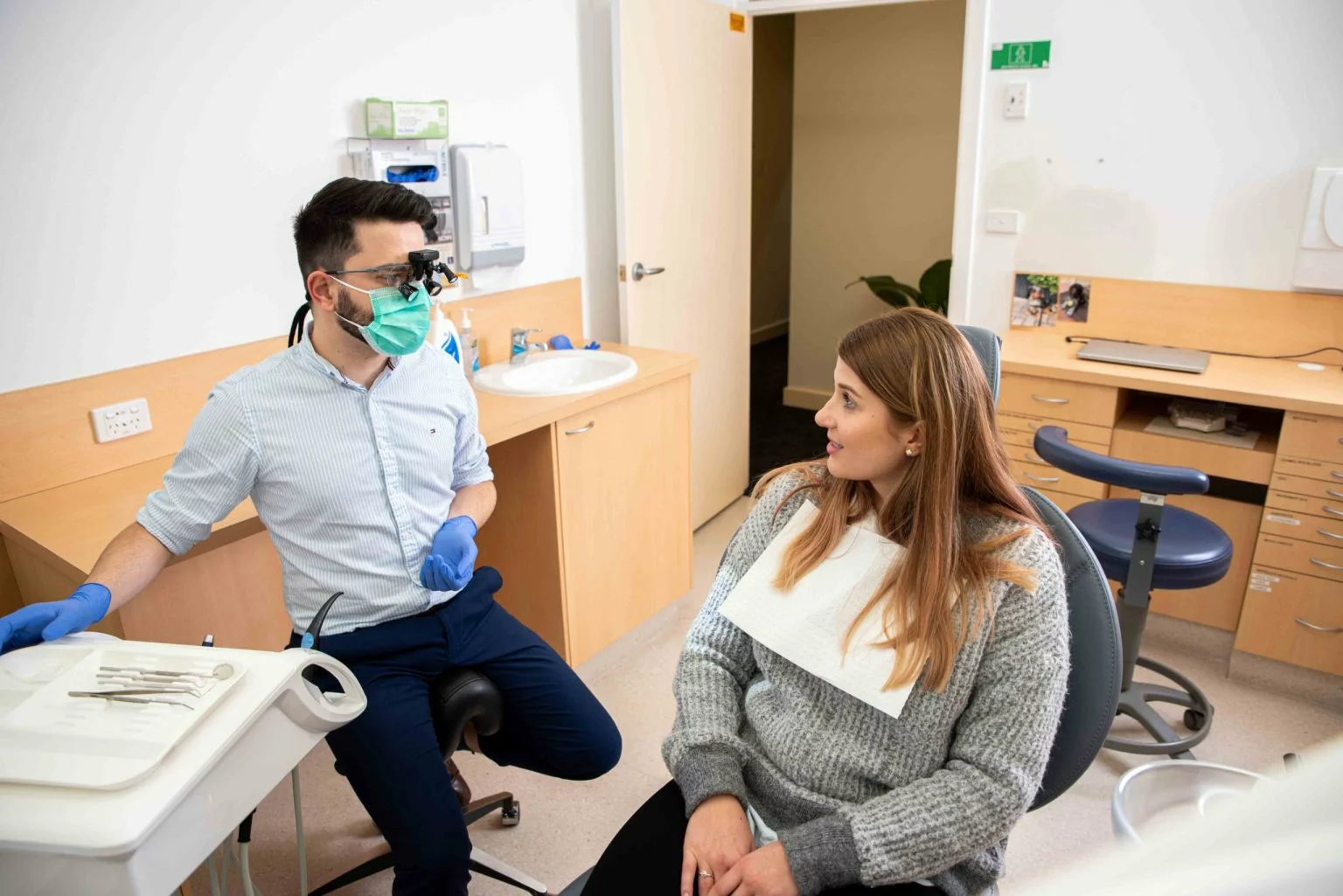
A bleeding gums dentist appointment is usually focused on finding the cause before recommending treatment. At Kensington Dental Care, we start by listening to what you have noticed: when the bleeding begins, whether it happens with brushing or flossing, whether the gums are sore, and whether there are any changes in breath, taste, or tooth movement.
Your dentist may then:
- Examine your teeth, gums, tongue, cheeks, and bite
- Check for plaque and calculus around the gumline
- Look for redness, swelling, recession, or tenderness
- Assess gum pockets or deeper gum condition
- Review your medical history and medicines
- Discuss smoking, diabetes, pregnancy, or other risk factors where relevant
- Recommend x-rays if deeper gum or bone changes need to be assessed
These steps help separate early gingivitis from more advanced gum disease and rule out causes such as brushing trauma, a broken filling edge, a food trap, or irritation around a dental appliance.
How Professional Treatment Can Help
The right way to treat bleeding gums depends on the cause. For many patients, treatment starts with professional cleaning to remove plaque and calculus that cannot be cleared at home. This may be enough when gingivitis is the main issue and the gums have not developed deeper periodontal pockets.
Kensington Dental Care’s bleeding gums treatment page explains that treatment can include assessment, examination, professional cleaning, scaling and root planing where needed, a tailored plan, and prevention advice. The exact recommendation depends on what your dentist finds.
Professional Cleaning
A professional clean removes plaque and calculus from the teeth and gumline. Calculus is hardened plaque, so it generally needs dental instruments to remove it properly. Once the irritants are reduced, the gums often have a better chance to settle with consistent home care.
Scaling and Root Planing Where Needed
If gum pockets are deeper or calculus sits below the gumline, a deeper clean may be recommended. This is sometimes called scaling and root planing. It aims to remove plaque and calculus from the tooth surfaces below the gum edge so the gums can be managed more effectively.
Not every patient with bleeding gums needs this. It is generally considered when the assessment suggests more involved gum disease or harder-to-reach deposits.
A Personalised Prevention Plan
Treatment does not end when the clean is finished. Your dentist can show you how to brush around the gumline without scrubbing too hard, how to clean between the teeth, and which tools may suit your mouth. Some patients do better with floss. Others may need interdental brushes, a different toothbrush head, or a more structured routine.
If you have several dental concerns at once, the broader what we treat section may help you understand how gum care fits alongside other dental treatment options.
Can You Treat Bleeding Gums at Home?
Home care is important, but it has limits. You can support your gums by brushing twice daily with fluoride toothpaste, using a soft toothbrush, cleaning between the teeth, and avoiding tobacco. A balanced diet and regular dental checks also help support oral health.
Helpful home habits include:
- Brush gently along the gumline rather than scrubbing hard
- Clean between the teeth daily
- Replace your toothbrush or brush head when bristles spread
- Avoid smoking or vaping where possible
- Keep up with dental cleans recommended for your gum condition
- Tell your dentist about medicines and health changes
Warm salt water may feel soothing for irritated gums, but it does not remove calculus or treat gum disease by itself. Mouthwash can also have a role for some patients, but it should not be used as a substitute for assessment and cleaning. If you are unsure what to use, ask your dentist before starting strong antibacterial products.
The safest answer to “how do I treat bleeding gums?” is good daily care plus a dental check that confirms the cause.
Why Early Gum Care Matters
Bleeding gums can feel minor because the bleeding may stop quickly. The concern is what is causing it. Plaque-related gum inflammation can progress from gingivitis to periodontitis if it is not managed. Periodontitis can affect the structures that support the teeth, which makes early diagnosis and ongoing maintenance important.
Gum health can also affect comfort and confidence. Inflamed gums may contribute to bad breath, tenderness, and self-consciousness when speaking closely with others. If breath changes are part of your concern, Kensington Dental Care also provides information on bad breath treatments.
Early care is usually more straightforward than waiting until teeth feel loose, gums recede noticeably, or chewing becomes uncomfortable. A dental visit can give you a clearer picture and a practical plan.
What If Cost Is Holding You Back?
It is common to delay a dental appointment because you are worried about the cost. We understand that patients need clear information before they make decisions about treatment.
At Kensington Dental Care, your dentist can explain the findings, the recommended next step, and the likely treatment sequence before you proceed. The practice is a preferred partner of Bupa and HCF and accepts other health funds, including DVA, depending on your cover and eligibility. Flexible options are also outlined on the dental payment plans page.
No payment option or health fund benefit is the same for every patient. Your cover, clinical needs, and treatment plan all matter, so please confirm details before starting care.
Preventing Bleeding Gums From Coming Back
Once your gums have been assessed and cleaned, prevention becomes the main focus. The goal is to keep plaque under control at home and attend dental reviews at intervals that suit your gum health.
Your dentist may recommend:
- Regular dental check-ups and cleans
- Better brushing technique around the gumline
- Daily interdental cleaning
- Specific toothbrushes, floss, or interdental brush sizes
- Follow-up gum measurements if pockets were present
- Support for risk factors such as smoking or diabetes
Bleeding gums can return if plaque builds up again, so consistency matters. A realistic routine is more useful than an intense routine you cannot maintain.
Book a Bleeding Gums Check in Adelaide
If you are seeing blood when you brush, noticing swollen gums, or trying to treat bleeding gums without lasting improvement, book a gum assessment with Kensington Dental Care in Kensington Park, Adelaide.
You can book an appointment online, call our friendly team on (08) 8333 0885, or email [email protected] with your enquiry. We will assess your gums, explain the findings clearly, and help you plan the next step with practical advice.