Dental Treatment Options Adelaide: How To Choose the Right Path for Your Smile
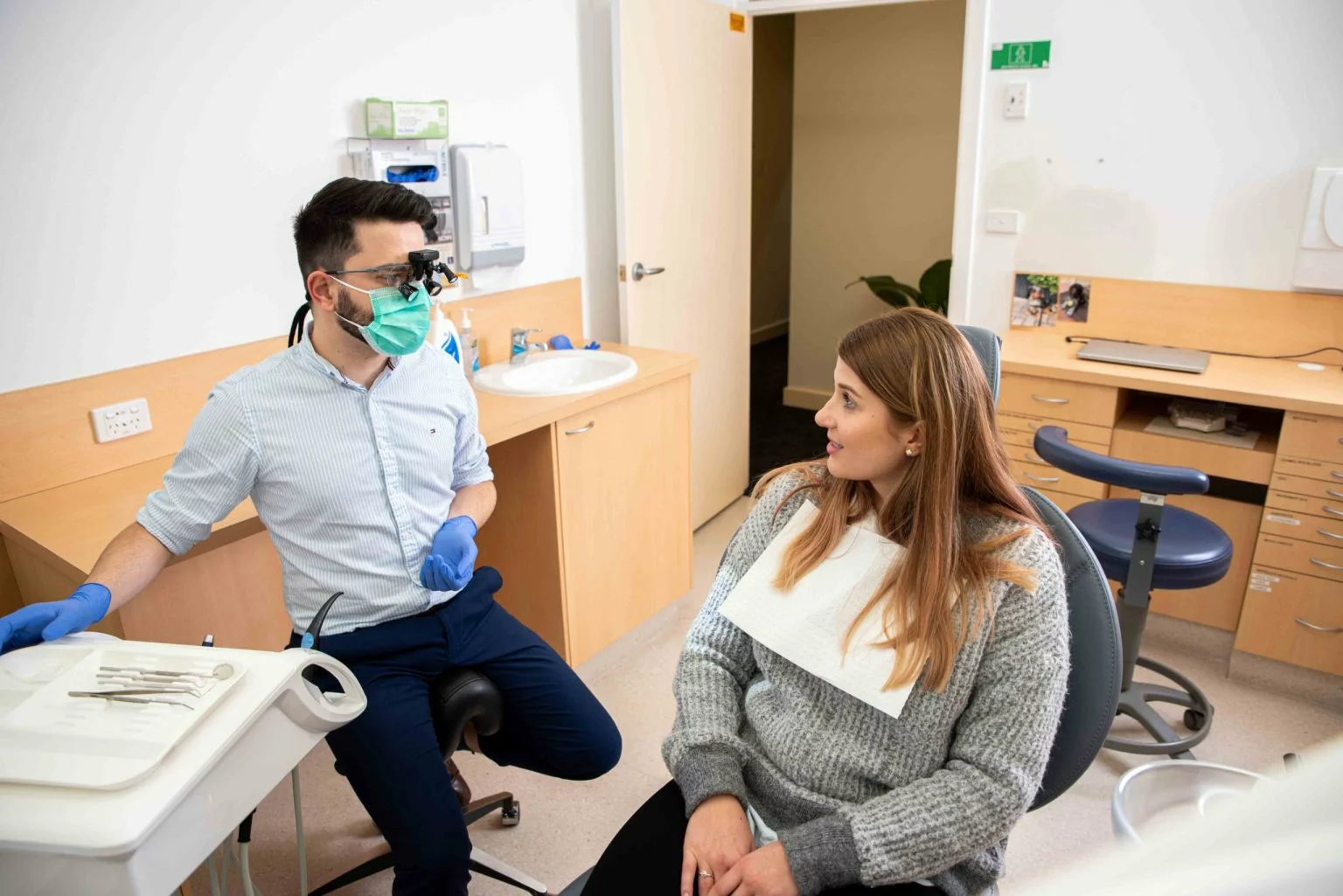
When you are comparing dental treatment options in Adelaide, it can be difficult to know where to start. You might be dealing with a toothache, bleeding gums, a broken tooth, missing teeth, cosmetic concerns, or an overdue check-up.
The right path is not always the most complicated treatment. Often, it starts with a careful assessment, clear explanation, and a plan that protects your comfort, function and long-term oral health. At Kensington Dental Care in Kensington Park, we help patients understand their options without pressure or confusing clinical language.
This guide explains common dental services that Adelaide patients may consider and what to ask before you make a decision.
Start With an Assessment, Not a Guess
Online research can help you understand broad treatment categories, but it cannot show the position of your teeth, the depth of decay, the condition of your gums, or what is happening below the surface. That is why most dental treatments begin with a consultation.
During an appointment, your dentist may ask about symptoms, review your medical history, examine your teeth and gums, and recommend x-rays where needed. This helps separate urgent problems from issues that can be monitored or managed gradually.
An assessment-led approach is especially important when more than one option may be possible. A cracked tooth might need a filling, bonding, a crown, root canal treatment or extraction. Missing teeth may be managed with a denture, bridge or implant-supported option, depending on oral health, bone support, budget and preferences.
Kensington Dental Care’s What We Treat page gives an overview of concerns our dental team commonly assesses, including fillings, crowns, gum disease treatment, dentures, implants, bridges and dental surgery after injury.
Preventive Dental Care: Keeping Problems Smaller
Preventive care is the foundation of general dental care for Adelaide patients. It helps find early changes before they become more complex, uncomfortable or costly to manage.
Preventive appointments may include:
- A dental examination
- Professional cleaning to remove plaque and tartar
- Gum health checks
- X-rays when clinically useful
- Fluoride advice or treatment where suitable
- Oral hygiene guidance tailored to your mouth
- Review of grinding, clenching, diet, dry mouth or other risk factors
For some patients, a routine check-up confirms that everything is stable. For others, it reveals early decay, gum inflammation, cracked fillings or signs of tooth wear.
Preventive care also supports people who have already had dental work. Fillings, crowns, bridges, dentures and implants all need review so your dentist can check function, clean around them carefully, and advise when something needs attention.
Restorative Options for Decay, Wear and Damaged Teeth
Restorative dental care focuses on repairing teeth so you can chew, speak and smile comfortably. The right option depends on how much healthy tooth structure remains, whether the nerve inside the tooth is affected, and how the tooth handles bite pressure.
Fillings
Fillings are commonly used when decay or a small fracture has affected part of a tooth. The damaged area is removed, and the tooth is restored with a material selected for the location and clinical need.
A filling may be suitable when the damage is limited and enough tooth structure remains to support the restoration. If a cavity is large, deep or close to the nerve, your dentist may discuss other options.
Crowns
A crown is a cap that covers an existing tooth. It may be recommended when a tooth is cracked, heavily filled, weakened after root canal treatment, or too damaged for a standard filling to provide reliable support.
Crowns can help protect remaining tooth structure and restore chewing function. Appearance may also improve, but the recommendation should be based on clinical need and long-term function.
Root Canal Treatment
Root canal treatment may be considered when the nerve inside a tooth is inflamed or infected after deep decay, trauma, a crack or repeated dental work.
The aim is to remove infected or inflamed tissue, clean and seal the canals, and then restore the tooth. Not every sore tooth needs root canal treatment, so diagnosis matters.
Extraction
Sometimes a tooth cannot be predictably repaired. This may happen when a crack extends below the gumline, there is severe infection, advanced gum disease has affected support, or there is not enough healthy structure left.
Extraction is not a failure of care. It is one option within a broader plan. If removal is recommended, your dentist can explain what happens next and whether replacement options should be considered.
Gum Treatment and Bleeding Gums
Healthy gums support healthy teeth. If you notice pink in the basin after brushing or flossing, swollen gums, persistent bad breath, tenderness or gum recession, it is worth booking a dental assessment.
Bleeding gums are often linked to plaque sitting along the gumline. Early gum disease, known as gingivitis, can cause redness, swelling and bleeding. With professional care and improved home cleaning, gingivitis can often be reversed. If left untreated, it can progress to periodontitis, which affects the supporting structures around the teeth.
Kensington Dental Care offers bleeding gums treatment that may include examination, professional cleaning, scaling and root planing where needed, tailored prevention advice and ongoing review.
Gum health can influence whether fillings last, whether crowns are easy to maintain, whether implants or dentures are appropriate, and how comfortable your mouth feels day to day.
Cosmetic Dental Options Without Losing Sight of Health
Cosmetic dentistry can help with concerns such as staining, uneven edges, small gaps, worn teeth or old restorations that no longer match surrounding teeth. Common options may include professional cleaning, teeth whitening, bonding, veneers or replacement of visible restorations.
These treatments should be considered carefully. Cosmetic treatment should not come at the expense of function or oral health. A conservative plan may involve improving gum health, stabilising decay, managing grinding, or cleaning stains before cosmetic changes.
Teeth whitening can help with some stains, but it is not suitable for everyone. It does not whiten crowns, veneers or fillings, and may not be appropriate with untreated decay, gum disease, cracks, sensitivity, or certain health circumstances.
If your concern is mainly appearance, it is still worth starting with an assessment so your dentist can check for wear, trauma, enamel loss or previous dental treatment.
Broken Tooth and Dental Injury Options
A chipped, cracked or broken tooth can happen after biting something hard, dental trauma, decay, grinding, or pressure around an old filling. Some breaks are painless at first. Others cause sharp pain, sensitivity, swelling, bleeding or difficulty biting.
Kensington Dental Care’s broken teeth treatments may include dental sealants, fillings, crowns, dental bonding, root canal treatment, or extraction when a tooth cannot be fixed.
The urgency depends on the tooth and symptoms. You should seek prompt advice if:
- The tooth is painful
- The break extends below the gumline
- There is swelling or a bad taste
- The tooth feels loose
- The nerve appears exposed
- You have had an injury to the face or jaw
Until you are assessed, avoid chewing on the broken tooth. If a sharp edge is rubbing your cheek or tongue, contact the practice for advice rather than trying to adjust it yourself.
Wisdom Teeth: Monitor, Manage or Remove
Wisdom teeth usually come through in the late teens or twenties, although not everyone has the same experience. Some erupt without problems. Others become stuck, partly covered by gum, difficult to clean, or associated with repeated inflammation and infection.
Common reasons for assessment include pain at the back of the jaw, swelling, bad taste, food trapping, difficulty opening the mouth, or decay affecting the wisdom tooth or the tooth in front.
The right path may be monitoring, cleaning around the area, treating infection first, or planning removal. Simple cases may be managed with local anaesthetic, while complex or deeply positioned wisdom teeth may need surgical planning.
Our wisdom teeth removal information explains how the team assesses wisdom tooth position, symptoms and treatment options before recommending the next step.
Missing Teeth Replacement Options
Missing teeth can affect chewing, speech, bite balance and confidence. Some people adapt to a missing tooth for years, while others notice immediate changes. Replacement is not always urgent, but it is worth discussing because the surrounding teeth and bite can change over time.
Common options include:
- Dentures: removable appliances that replace one or more missing teeth
- Bridges: fixed restorations that use neighbouring teeth or other supports
- Dental implants: implant-supported replacements that may be suitable for selected patients after assessment
Each option has advantages, limits and maintenance needs. Dentures require adjustment and cleaning, bridges involve the teeth used for support, and implants require suitable bone, healthy gums, careful planning and ongoing maintenance.
Kensington Dental Care can assess missing teeth replacements and explain which options may be suitable for your mouth, health and goals.
How to Choose Between Dental Treatment Options
When there are several possible treatment paths, the most helpful question is not “Which treatment sounds most advanced?” It is “Which option fits my diagnosis, health, function, comfort and priorities?”
Before deciding, ask your dentist:
- What is causing the problem?
- What happens if I monitor it for now?
- Which options are conservative, and which are more involved?
- What are the benefits, limits and maintenance needs of each option?
- How many appointments may be involved?
- Will I need x-rays, scans, referrals or follow-up visits?
- How should I care for the area afterwards?
- What costs and payment options should I understand before proceeding?
It is also reasonable to discuss dental anxiety, time constraints and budget, so you understand what is urgent, what can wait, and what can be staged over time.
Kensington Dental Care is a preferred partner of Bupa and HCF and accepts other health funds, including DVA, where applicable. Your level of cover and out-of-pocket costs depend on your fund, policy and treatment needs, so the dental team can help you understand the practical next steps before treatment begins.
Book a Dental Appointment in Adelaide
If you are weighing up dental treatment options in Adelaide, the next step is a personalised assessment. We will listen to your concerns, examine your teeth and gums, explain what we find, and talk you through suitable options in plain English.
You can book an appointment online, call our friendly team on (08) 8333 0885, or email the practice with your enquiry. Kensington Dental Care is located at 261 Kensington Road, Kensington Park SA 5068, supporting patients across Adelaide with practical, assessment-led dental care.