Root Canal or Extraction: Making the Right Choice for a Damaged Tooth
When your tooth is severely damaged or infected, you’ll likely face a choice between two main treatment options: root canal therapy or tooth extraction. Both procedures aim to eliminate pain and protect your oral health, but they work in fundamentally different ways.
At Kensington Dental Care, we help Adelaide patients understand these options every week. We know the decision can feel overwhelming, especially when you’re dealing with pain and uncertainty about costs, recovery time, and long-term outcomes.
This guide walks you through everything you need to know about root canals versus extractions, so you can make an informed decision with your dentist’s guidance.
Understanding Root Canal Treatment
A root canal is designed to save your natural tooth when the pulp inside becomes infected or inflamed. The procedure involves removing the damaged pulp tissue, thoroughly cleaning the root canals, and sealing the tooth to prevent future infection.
Here’s what happens during treatment:
Your dentist removes the infected pulp (soft tissue) from inside the tooth, cleans and disinfects the empty canals, then fills them with a special material. The tooth is sealed, and in most cases, a crown is placed over it to restore full strength and function.
Root canal therapy has earned an unfair reputation for being painful. Modern techniques and anaesthetics mean most patients experience no more discomfort than having a filling done. Studies show root canal treatments have success rates of 90-95%, making them a highly reliable option for saving damaged teeth.
Most pain patients experience comes from the infection itself, not the procedure.
When Tooth Extraction Becomes Necessary
Extraction means completely removing the tooth from your mouth. It’s typically recommended when a tooth is too damaged to save, when infection has severely compromised the surrounding bone, or in cases of severe crowding.
During extraction, your dentist numbs the area thoroughly, loosens the tooth using special instruments, and removes it from the socket. Simple extractions are straightforward, while surgical extractions (needed for damaged or impacted wisdom teeth) involve a minor surgical procedure.
Key Differences That Matter
The fundamental difference goes beyond the procedure itself. Root canal therapy preserves your natural tooth structure. Extraction removes the problem tooth entirely, creating a gap that typically needs addressing.
Your tooth roots do more than anchor teeth in place. They stimulate your jawbone, helping keep it strong and healthy. When you lose a tooth, that stimulation stops. Over time, the jawbone can shrink in that area, potentially affecting your facial structure and neighbouring teeth.
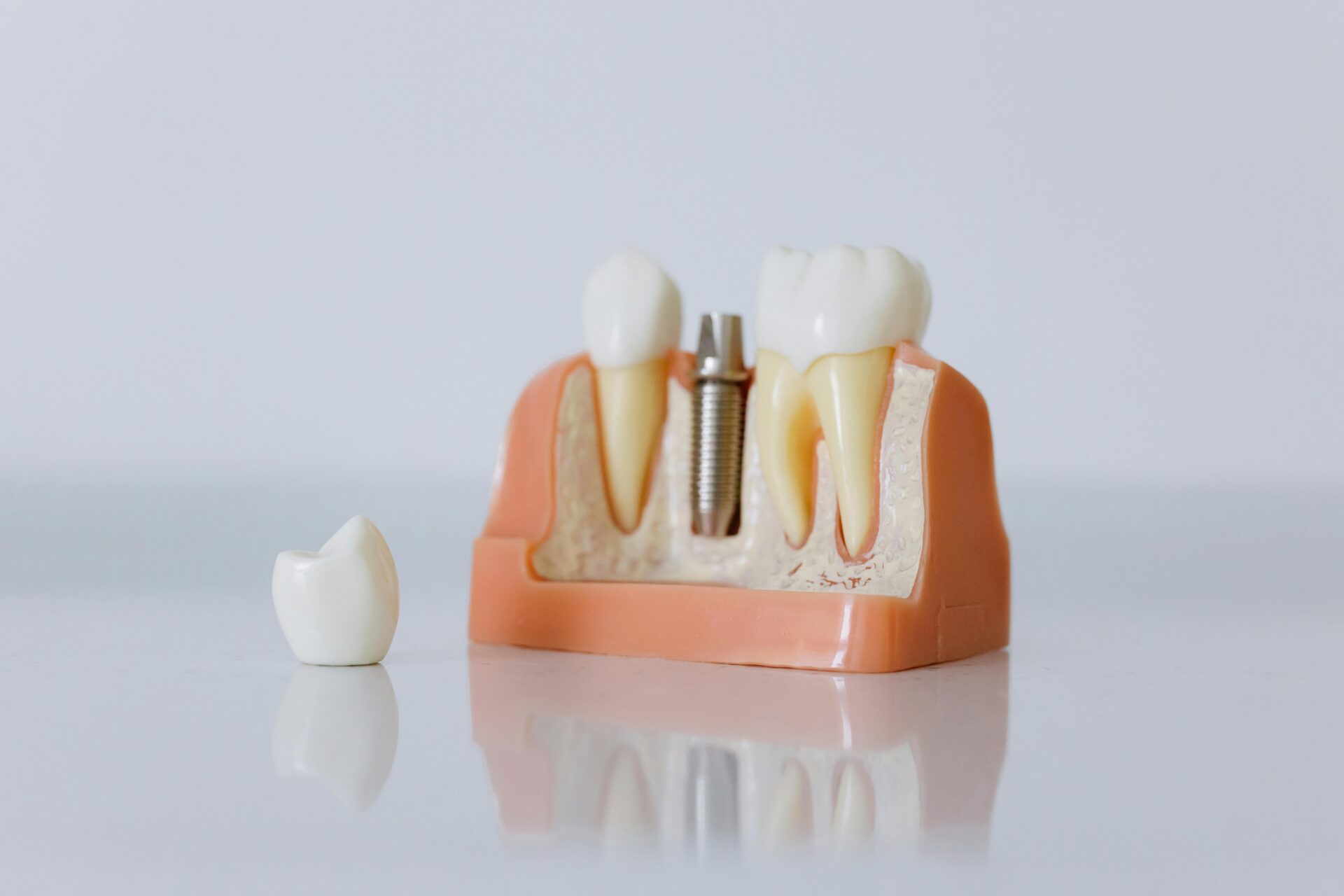
Root canals help prevent this bone loss because they preserve the root structure. Extractions don’t maintain bone stimulation unless you replace the tooth with a dental implant, which acts like an artificial root.
Comparing Costs and Long-Term Value
Let’s address the financial side, because we know it matters to Adelaide families.
Root canal treatment generally costs more upfront. The procedure itself typically ranges from $1,500-$2,500 depending on the extent of damage to your natural tooth structure. Most cases also require a crown for protection, adding another $1,200-$2,500 to the total cost.
Tooth extraction costs vary depending on the complexity of the procedure and the location of the tooth. However, extraction alone rarely solves the problem long-term. Without tooth replacement, neighbouring teeth gradually shift towards the gap. This creates bite problems and increases the risk of further tooth loss.
Your replacement options after extraction include:
Dental implants: A permanent option costing $3,000-$7,500 per tooth. These are similar to natural teeth but represent a significant investment. Our All-on-4® dental implant system offers a comprehensive solution for patients requiring full arch restoration.
Dental bridges: These require modifying adjacent healthy teeth to support the bridge. Cost varies depending on the complexity and number of teeth replaced.
Dentures: An affordable option at $2,000-$5,000. These are removable and may require adjustments over time.
When you account for replacement costs, root canal therapy often costs less over time. You keep your natural tooth, avoid additional procedures, and prevent the complications that come with missing teeth.
Recovery and What to Expect
Root canal recovery is typically straightforward. Most patients return to normal activities within a day or two. You might experience mild sensitivity for a few days, which can be managed with over-the-counter pain relief. The treated tooth won’t feel different once healed, because the infection that caused the pain is gone.
Extraction recovery takes longer and involves more restrictions. You’ll need to avoid certain foods, manage swelling with ice, and keep the extraction site clean to prevent infection. Most people need several days before resuming normal activities.
If you choose extraction and tooth replacement, add several months to your timeline. Dental implants require time for the implant to integrate with your jawbone before the final crown can be placed.
How Your Dentist Decides Which Option to Recommend
Several clinical factors influence whether a tooth can be saved:
Extent of Damage
If most of the tooth structure is compromised or a crack extends below the gum line, extraction may be necessary.
Infection Severity
Severe infections that have spread to surrounding bone sometimes can’t be adequately treated with root canal therapy alone.
Tooth Location and Function
Front teeth critical for appearance often warrant extra effort to save. Some molars have complex root systems that make successful root canal treatment more difficult. In these cases, extraction may be recommended.
Your Overall Health
Certain medical conditions affecting healing or immune function may influence which procedure is safer for you.
Cost Considerations
We understand budget constraints matter. We’ll discuss options that fit your financial situation.
At Kensington Dental Care, we generally recommend preserving natural teeth when it’s clinically appropriate. However, we won’t suggest root canal treatment if extraction truly serves your health interests. Our goal is honest advice based on your unique circumstances.
The Role of Prevention
Many tooth emergencies requiring root canals or extractions could be prevented with regular dental care. Routine check-ups every six months allow us to catch decay early, when it’s still treatable with simple fillings.
If you’re experiencing tooth pain, sensitivity to hot or cold, or notice swelling around a tooth, don’t delay seeking treatment. Early intervention often means simpler, less expensive solutions.
Making Your Decision
Choosing between root canal and extraction isn’t always straightforward. Sometimes the clinical picture clearly indicates one option. Other times, you’ll genuinely have a choice to make.
Consider these factors:
How long you want the solution to last: Root canals typically last around 10 years with proper care. Some last beyond 20 years, and a small percentage can function for a lifetime. Different replacement options have varying lifespans, which we can discuss during your consultation.
Your budget: Consider both immediate and long-term costs.
Your timeline: If you need a quick solution, extraction is faster. Preserving the tooth takes more time upfront but may be worthwhile depending on your situation.
The tooth’s importance: Visible front teeth versus back molars have different aesthetic and functional implications.
We’re here to help you think through these factors. Our experienced team combines technical expertise with genuine patient care, and we’re committed to giving you honest, practical advice.
Your Next Steps
If you’re dealing with a damaged or infected tooth, we’re here to help. At Kensington Dental Care, we take time to examine your situation thoroughly, explain your options clearly, and support whatever decision makes sense for your health and circumstances.
We’re located at 261 Kensington Road in Kensington Park, serving Adelaide families with gentle, comprehensive dental care. Whether you need emergency treatment or want to explore your options, our team is ready to assist you.
Call us today on (08) 8333 0885 or book online to schedule a consultation. We’ll examine your tooth, take any necessary X-rays, and discuss the best path forward for your situation. Your oral health matters, and we’re committed to helping you make decisions you feel confident about.
This content is for educational purposes. Individual results may vary. Consult with qualified dental professionals for personalised treatment recommendations.